Hiking in Panama: 8 Best Hikes, From Volcán Barú to the Sleeping Indian
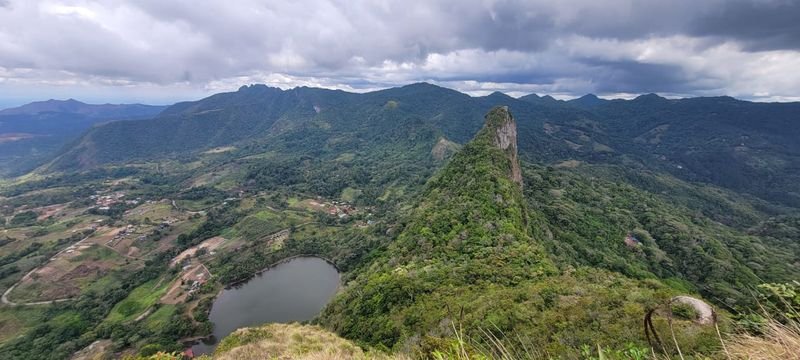
Panama is famous for its canal and its beaches, but most of the country is hills, volcanoes and forest. Its hikes run from a half-hour climb above the capital to a night-time push up the country’s highest volcano for sunrise over two oceans. These are the eight we would choose, with the distances, the hard parts and how to reach each trailhead without a car.
The 8 best hikes at a glance
| Hike | Where | Distance and time | Level |
|---|---|---|---|
| Volcán Barú summit | Boquete | About 14 km each way; 5–7 h up | Hard |
| Sendero Los Quetzales | Boquete – Cerro Punta | About 10 km one way; half a day | Moderate |
| Lost Waterfalls and Pipeline Trail | Boquete | Two short forest walks | Easy to moderate |
| La India Dormida | El Valle de Antón | 3–6 km; 2–5 h | Moderate |
| Ancón Hill | Panama City | About 30 min up | Easy |
| Metropolitan Natural Park | Panama City | Short trails to a lookout | Easy |
| Pipeline Road | Soberanía National Park | Flat; walk as far as you like | Easy |
| Chorro La Silampa | La Yeguada, Veraguas | About 45 min to the pool | Easy to moderate |
Boquete and Volcán Barú: the big mountain hikes
1. Volcán Barú summit
At about 3,475 metres (11,400 ft), Volcán Barú is the highest point in Panama. The trail from the Boquete side follows a rough, rocky track for roughly 14 km each way; most people need 5 to 7 hours up and 3 to 4 down. Many hikers start around midnight to reach the top for sunrise, when — on a clear morning — you can see both the Pacific Ocean and the Caribbean Sea. Before dawn the summit can drop to freezing, so pack a warm jacket, gloves, a headlamp and plenty of water. A park fee is charged at the ranger station. If you have not hiked at altitude or at night before, go with a guide: we list a guided summit trip.
2. Sendero Los Quetzales
Panama’s classic cloud-forest trail links the Boquete side of the volcano with Cerro Punta: about 10 km one way through mossy forest inside Volcán Barú National Park. It reopened in 2025, but heavy storms can still close it for a few days, so check before you go. Walking from Cerro Punta toward Boquete is easier, because it is mostly downhill. From January to May you have the best chance of seeing a resplendent quetzal — more in our wildlife guide.
3. Lost Waterfalls and the Pipeline Trail
Two shorter Boquete walks for a half day. The Lost Waterfalls trail climbs through cloud forest to three waterfalls with pools you can swim in (cold ones). The Pipeline Trail follows an old water pipe through the forest: quiet, mostly gentle and excellent for birds. Both cross private land, so expect an entrance fee.
El Valle de Antón: a hike on the rim of a volcano
4. La India Dormida
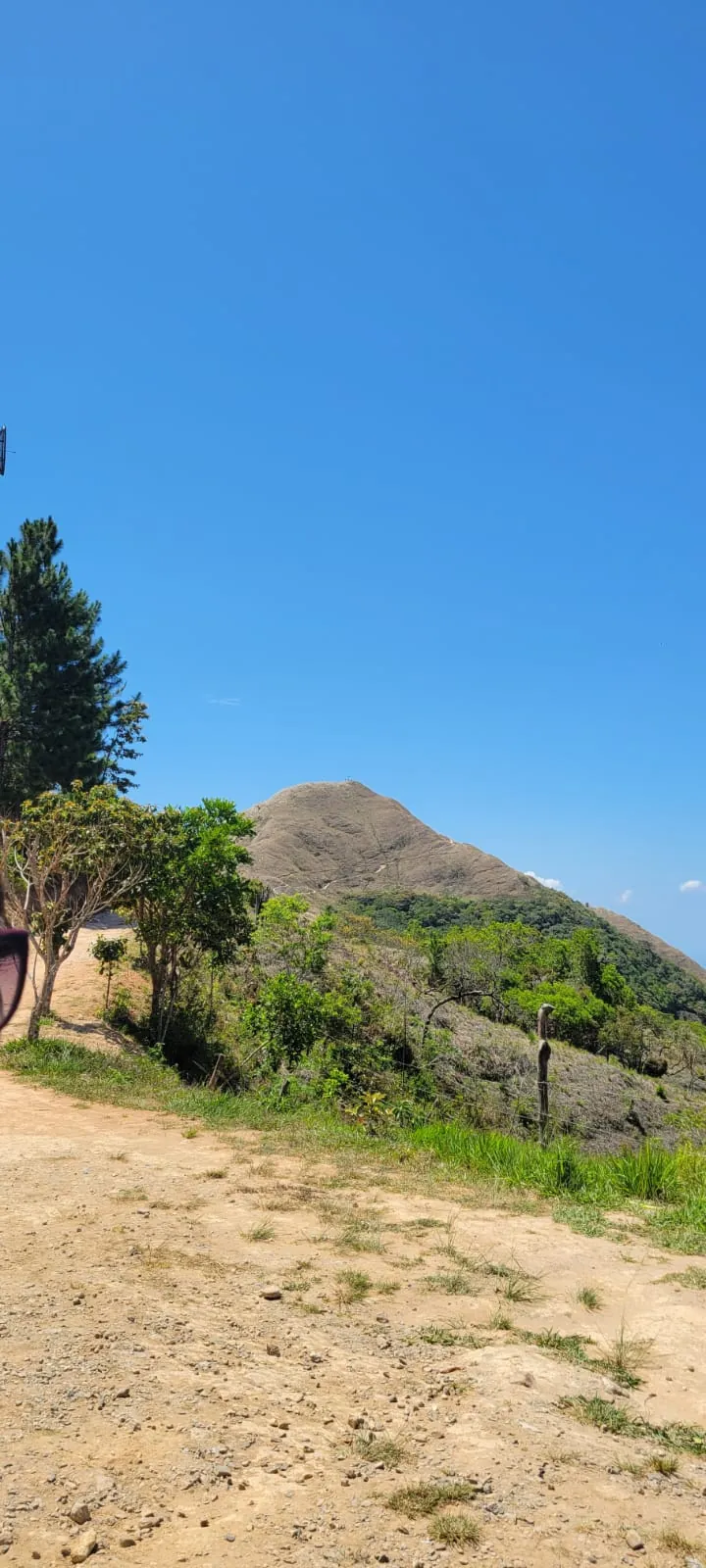
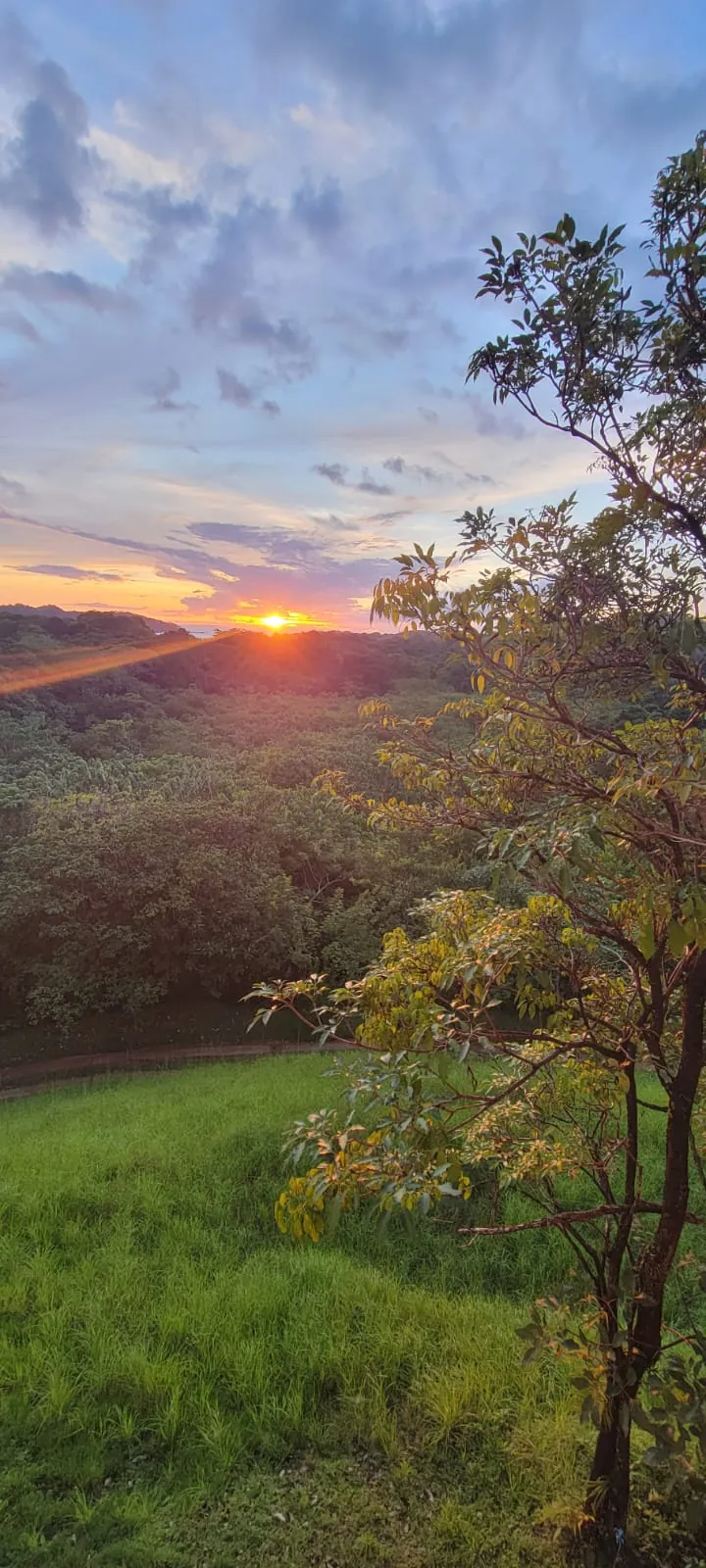
El Valle is a town built inside the crater of an extinct volcano, and La India Dormida — “the sleeping Indian” — is the ridge on its rim. Routes run from 3 to 6 km and take 2 to 5 hours. From the entrance at Piedra Pintada you pass pre-Columbian petroglyphs and small waterfalls, then climb to open views over the whole valley. The path is steep and slippery after rain, so wear shoes with good grip. There is a small entrance fee, and sunrise is the best time to go. Read our El Valle guide for the rest of the town.
Panama City: hikes before breakfast
5. Ancón Hill
The 199-metre hill above the old Canal Zone is the highest point in the city, with a big Panamanian flag on top. The walk up the paved road takes about 30 minutes; go at 7 a.m., before the heat. Sloths, coatis and Geoffroy’s tamarins live in the trees along the way, and the top looks over the skyline, Casco Viejo and the entrance to the Canal.
6. Metropolitan Natural Park
265 hectares of protected forest inside the city, about 15 minutes from the banking district. Short trails climb to the Cerro Cedro lookout over the skyline, the bay and the Canal. Early morning is the coolest time and the best for wildlife: sloths, tamarins, agoutis and more than 250 kinds of birds.
7. Pipeline Road, Soberanía National Park
An old, flat road into the rainforest near Gamboa, under an hour from the city and one of the best-known birding trails in the Americas. There is no summit to reach: walk as far as you like and turn back. Start at first light, when the forest is loudest.
Veraguas: a hike to a turquoise pool
8. Chorro La Silampa
In the cool hills of Calobre, near the La Yeguada Forest Reserve, a hike of about 45 minutes with a local guide leads to a turquoise natural pool under a waterfall. La Yeguada itself — a crater lagoon ringed by pines and the first protected area in Veraguas, created in 1960 — is worth the trip. Both are on our guided day tours.
When to hike in Panama
- Dry season, mid-December to April: drier trails and the best chance of clear summit views, including both oceans from Volcán Barú.
- Green season, May to November: mornings are usually clearer and afternoons bring showers, so start early and expect mud.
- On the mountains, any month: clouds often build by late morning. The earlier you start, the more you see.
Month by month, see our best time to visit Panama guide.
What to pack
- Shoes with good grip — trails turn to mud after rain.
- A rain jacket in any season, plus warm layers, a hat and gloves for Volcán Barú.
- At least two litres of water, snacks, sunscreen and insect repellent.
- A headlamp for early starts and an offline map on your phone.
- Cash for park and trail fees.
Hike safely
- Start early and turn back if the weather turns or the light fades.
- Tell someone your route, and do not climb Volcán Barú alone at night.
- Stay on marked trails and check whether a trail is open after heavy rain.
- When in doubt, hire a local guide — they also know where the animals are.
Getting to the trailheads without a car
- Boquete: shared shuttles from Santa Catalina ($45), Bocas del Toro ($45).
- El Valle de Antón: from Santa Catalina ($55), subject to availability.
- Panama City: from Santa Catalina ($70), or a Tocumen airport transfer when you land.
- Trailheads and guided hikes: our guided day tours include transport, driver and a local guide, with pickup where you stay.
Frequently asked questions
What is the hardest hike in Panama?
Volcán Barú, the country’s highest point at about 3,475 metres. From the Boquete side it is roughly 14 km each way, and most people need 5 to 7 hours to reach the top.
Can you see both oceans from Volcán Barú?
Yes, on clear mornings. The best chances are at sunrise in the dry season, from mid-December to April, before the clouds build.
Do I need a guide to hike Volcán Barú?
A guide is not required, but it is a good idea if you plan to hike at night or have not hiked at altitude before. The summit can drop to freezing before dawn.
What is the best hike near Panama City?
Ancón Hill is the easiest: about 30 minutes up a paved road, with sloths and city views. For forest, go to Metropolitan Natural Park or Pipeline Road in Soberanía National Park, under an hour away.
When is the best time to hike in Panama?
The dry season, from mid-December to April, has the driest trails and the clearest views. In the green season, from May to November, hike in the morning before the afternoon rain.